Supported Employment Reform in Australia: What Would Genuine Choice Actually Look Like?

Supported Employment Reform in Australia: What Would Genuine Choice Actually Look Like?

By the National Employment Services Association (NESA) | May 2026

The central policy question in Australia’s supported employment debate may not be whether supported employment settings should continue to exist. It may be whether Australians with disability currently have enough information, support, alternatives and safeguards for any employment decision to be genuinely free and informed.

That is the framing at the heart of NESA’s latest analysis of disability employment policy: a paper examining one of the most contested questions in Australian disability employment: what would genuine employment choice actually look like for people with intellectual disability and high or complex support needs?

NDIA data shows that only 3.1% of younger supported employees and 1% of adults have moved from Australian Disability Enterprise (ADE) settings to open employment. NESA’s analysis of the evidence suggests this is less a reflection of aspiration or individual capability, and more a reflection of how Australia’s disability employment systems currently operate. These are structural outcomes, shaped by program design, funding gaps, and missing safeguards.

Focusing on the approximately 16,000 Australians with intellectual disability and high or complex support needs who work, or have worked, in ADE settings or the organisations that have since evolved from them, NESA’s review maps the available evidence, identifies what has and has not worked internationally and domestically, and outlines realistic reform options across the Inclusive Employment Australia (IEA) program and the NDIS.

Why This Matters in 2026

The timing of this analysis is deliberate. Several significant developments are converging.

Inclusive Employment Australia (IEA) replaced Disability Employment Services (DES) in November 2025, bringing expanded eligibility, the removal of the two-year engagement time limit, and a new intensive service stream. It has been operating for just over six months. Its design intentions are sound; whether they translate into better outcomes for people with the highest support needs is not yet known.

The Australian Government committed $52.7 million to the supported employment sector in its July 2024 response to the Disability Royal Commission but placed the 2034 ADE phase-out recommendation under further consideration. A public consultation on the future of supported employment conducted by the Department of Social Services between March and June 2025 has not yet published its findings.

The National Disability Data Asset (NDDA), which became available to researchers in December 2024, holds linked administrative data relevant to this cohort but has not yet produced the sector-specific outcome reporting the system needs. Meanwhile, the next Royal Commission progress report is expected in November 2026.

Reform intent is present. The evidence base is available. What remains is translation into deliberate, funded action. NESA’s analysis is a contribution to that conversation.

A Cohort That Has Become Harder to See

Since the ADE Services program formally ceased in March 2021, the sector has changed considerably on the surface. Former ADE organisations have rebranded as social enterprises, business enterprises, or retained the ADE label, but without any consistent national reporting framework. By 2022, only 43% of providers still clearly identified as ADEs.

The supported employees within these organisations, people with intellectual disability and high support needs, have not changed with it. Their need for employment support is the same. What has changed is how visible they are to policymakers and the public.

The last dedicated national data collection tracking wages, hours, and transition rates across this sector ceased in 2019. NESA’s review of the evidence identifies this data gap as a first-order policy problem, not a technical footnote. The risk that social enterprise rebranding has simply replicated ADE conditions under a different name cannot currently be assessed. This is not a reason to dismiss the social enterprise model; it is a reason to treat the absence of outcome data as requiring direct policy action.

One partial exception is worth noting. The NDIS now publishes quarterly Specialist Disability Accommodation (SDA) demand data, which as at December 2024 identified 24,522 NDIS participants with an SDA need, people defined by extreme functional impairment or very high support needs, and the group most likely to overlap with the ADE cohort. That data is available at state, territory, and SA3 level, and it tells us where these people live and what housing support they need. What it does not tell us, because it has not been linked to employment reporting, is anything about their employment status, wages, or engagement with SLES or IEA. That linkage is exactly what the National Disability Data Asset is positioned to provide, and exactly what has not yet been done.

The findings raise important questions about whether what looks like sector evolution is, in practice, simply old problems operating under new names.

What Is the Real Policy Question Here?

The Royal Commission into Violence, Abuse, Neglect and Exploitation of People with Disability documented serious harm: workers paid as little as $2.37 per hour, and a predictable pathway from segregated schooling into supported employment without genuine alternatives. (As at 9 June 2026 the rate was $3.12 per hour). Four of six Commissioners recommended phasing out ADEs by 2034. The Chair and one Commissioner disagreed, arguing that freely chosen supported employment is not inherently harmful.

What is striking is how much common ground exists across those positions. All six Commissioners agreed on the need for fair wages, genuine choice, and improved transition pathways. The disagreement is really about whether the current system creates the conditions for genuine choice to exist at all.

NESA’s analysis suggests that it does not. Not yet. Information is limited, alternatives are underdeveloped, transition risks are largely unmitigated, and the data needed to assess whether reform is working is not yet available. Rather than asking whether supported employment settings should continue to exist, a more productive question is: what conditions would need to hold for participation in any employment setting, whether supported or open, to reflect a genuinely free and informed decision?

Why Do So Few People Move from Supported Employment into Open Employment?

Understanding why transition rates remain so low requires looking beyond individual capacity. NESA’s review of the evidence points to a cluster of structural and system-level barriers.

The Disability Support Pension interaction

Fear of losing the Disability Support Pension (DSP), and the complexity of suspension and reinstatement rules, is one of the most consistently documented barriers across participant, family, and provider groups. NESA’s analysis of the evidence suggests the primary constraint is the complexity of the rules themselves, not a lack of information about them. Simplification of the rules would be a more effective intervention than information campaigns alone.

The NDIS and IEA coordination gap

Two systems, operating under different departments with different funding logic and accountability frameworks, are expected to complement each other in practice without being designed to do so. A person with high support needs may simultaneously require NDIS-funded job coaching and IEA-funded employer engagement, with no shared planning mechanism between the two.

The absence of re-entry pathways

When an open employment attempt does not succeed, what happens? NESA’s review of the evidence found that no managed re-entry protocol currently exists in Australian policy or program design. Where transition is perceived as irreversible, the rational response for many families is to stay. This absence of a clear return pathway is itself a structural barrier to attempting transition in the first place.

Social belonging

For many people in ADE settings, workplace relationships are a primary source of meaning and community connection. The social cost of leaving, losing established friendships, disrupting routine, and rebuilding connections elsewhere, is a rational and well-documented barrier, distinct from financial concerns. Reform must actively plan to protect social wellbeing during transition, not assume that employment placement alone equates to a successful outcome.

What Does the Evidence Say About What Works?

NESA’s review focuses specifically on models with evidence for people with intellectual disability and high support needs, a distinct cohort from those most studied in the general employment services literature. Several approaches stand out.

What is Project SEARCH and does it work?

Project SEARCH is a one-year, workplace-based transition program developed in the United States for young people with intellectual and developmental disabilities in their final year of school eligibility. Participants undertake three rotating internships within a single host business, supported by an onsite team. Competitive employment rates for graduates range from 46% to 67%, compared with 12% to 17% for comparison groups receiving standard transition support. NESA’s review identifies Project SEARCH as having one of the strongest international evidence bases of any program targeting this cohort. It has been piloted in Australia but has not been taken to national scale. The gap between what this model achieves internationally and what Australian transition programs achieve for this cohort is one of the most directly evidence-supported opportunities for investment currently available.

What is Customised Employment and how does it differ from standard job matching?

Customised Employment was developed specifically for people who do not fit standard job-matching approaches. Its defining feature is an intensive Discovery process, an observation-based exploration of a person’s skills and interests conducted in their home and community, leading to a tailored role negotiated with an employer around that individual’s specific contribution. The first randomised controlled trial of Customised Employment with transition-age young people with intellectual disability found significantly better competitive employment outcomes compared with standard support. The practical limitation is structural: it requires a trained specialist workforce not yet available at scale in Australia, and current NDIS pricing does not adequately fund the Discovery phase. These are addressable funding and workforce design problems.

What does the systematic evidence converge on?

A 2025 systematic review of programs supporting competitive employment outcomes for young people with intellectual disability identified four characteristics consistently present in effective programs: early career planning beginning in secondary school; direct work exposure in real workplaces; post-secondary education and certification opportunities; and on-the-job training with fading support. Classroom-only pre-vocational training has limited evidence of effectiveness for this cohort as a route to open employment. These findings have direct implications for the current design of School Leaver Employment Supports (SLES) in Australia, and NESA’s analysis suggests current SLES design warrants substantive reform.

What Are the Biggest Barriers to Employment for People with Intellectual Disability in Australia?

NESA’s analysis identifies several structural barriers that persist despite reform intent. The interaction between the Disability Support Pension and employment attempts remains complex and poorly understood by participants and families. The coordination gap between the NDIS and IEA creates friction at precisely the moment when people need seamless support. School Leaver Employment Supports remain too heavily weighted toward classroom-based preparation, despite evidence favouring real-workplace exposure. And the supported wage system, which permits wages far below community standards, remains a fundamental rights issue the Royal Commission addressed unanimously.

Perhaps the most underappreciated barrier is the absence of re-entry pathways. Where families and participants perceive the decision to attempt open employment as difficult or impossible to reverse, many will rationally choose not to try. Building transition safeguards, gradual pathways, hybrid arrangements, and clear re-entry options, into program design from the outset would materially change that calculus.

What Is the Future of Australian Disability Enterprises?

NESA’s analysis does not take a position on whether ADE-equivalent settings should continue to exist. It takes the view that this is the wrong question. The right question is what conditions would need to hold for participation in any setting to reflect genuine, free, and informed choice.

For some people, a supported employment setting represents meaningful and freely chosen work. The evidence for that is real. But the current system, where information is limited, alternatives are underdeveloped, and transition risks are unmitigated, does not yet meet the standard required for that choice to be genuinely free. Investment in alternatives is what transforms information into real choice.

The concern NESA’s analysis raises about the social enterprise rebranding wave is pointed: without sector-specific outcome reporting, we cannot assess whether the transition from ADE to social enterprise has changed anything for supported employees. That is a data and accountability gap requiring direct government action, not further review.

How Does the NDIS Support Employment for People with Intellectual Disability?

The NDIS provides the foundational supports that make employment possible for many people in this cohort: job coaching, assistive technology, School Leaver Employment Supports (SLES), and ongoing supports in employment. These are significant investments. NESA’s analysis identifies several ways they could work better.

The Discovery process at the centre of Customised Employment is not currently adequately priced within the NDIS. Recognising it as a distinct support item would be a practical prerequisite to Customised Employment operating at meaningful scale. SLES needs to shift significantly toward workplace-based preparation, consistent with what the systematic evidence supports. And the DSP interaction requires simplification of the rules themselves, not just better information about existing complexity.

A joint NDIS and IEA planning mechanism, a shared employment goal agreed at plan review and accessible to Local Area Coordinators, support coordinators, and IEA providers, would reduce the structural friction that currently sits between two systems expected to complement each other without being designed to do so. NESA’s analysis identifies this as achievable without legislative change; what it requires is funded coordination infrastructure and a shared outcome framework.

Questions for Policy and Practice

The evidence raises a number of questions worth sitting with carefully as governments, providers, and communities consider the future of this system.

  • Is IEA’s payment structure adequate for the ADE cohort? The intensive service stream is a meaningful design improvement. Whether the payment model adequately accounts for the substantially higher time and resource investment that complex-needs participants require is yet to be established. If outcome payments do not differentiate meaningfully by participant complexity, providers face an inherent tension between working intensively with the hardest-to-reach participants and operating a financially viable service.
  • What does good look like for someone who chooses to stay? The evidence invites consideration of what conditions would need to hold for participation in a supported setting to be genuinely free and informed, and what a high-quality, rights-respecting supported employment setting would actually look like if properly resourced and regulated.
  • Has social enterprise rebranding changed outcomes? NESA’s analysis is direct: we cannot currently assess whether the wave of rebranding from ADEs to social enterprises has changed anything for supported employees. The data infrastructure to answer that question does not yet produce the analysis needed. The NDIS SDA demand data offers a useful pointer, it tells us the scale and location of the 24,522 NDIS participants with extreme functional impairment or very high support needs who are most likely to intersect with this cohort, but it says nothing about their employment. Linking SDA demand data with employment records through the NDDA is among the most practical, immediate steps available to begin closing this gap.
  • What does this mean for future program design? A 2020 NDIS pricing reform designed to increase flexibility for supported employees did not significantly predict increased transitions to open employment. This suggests that funding flexibility alone, without parallel changes to information, advocacy, and available alternatives, is insufficient to shift outcomes.

Key Terms and What the Evidence Suggests

What is supported employment in Australia? Supported employment refers to employment arrangements specifically designed for people with disability who require ongoing support to participate in work. In Australia, this has historically been provided through Australian Disability Enterprise settings. Since 2021, many former ADEs have rebranded as social enterprises or business enterprises, though without consistent national outcome reporting.

What is Inclusive Employment Australia (IEA)? Inclusive Employment Australia replaced Disability Employment Services in November 2025. It expanded eligibility, removed the previous two-year engagement time limit, and introduced an intensive service stream for people who are not yet work-ready. It is the Australian Government’s primary program for supporting people with disability into open employment.

What is Project SEARCH and does it work? Project SEARCH is a one-year, workplace-based transition program for young people with intellectual and developmental disabilities. Evidence from more than 500 international sites shows competitive employment rates of 46% to 67% for graduates, compared with 12% to 17% for those receiving standard transition support. It has been piloted in Australia but not implemented at national scale.

What are the main barriers to open employment for people with intellectual disability? NESA’s analysis identifies structural and system-level barriers including the complexity of Disability Support Pension interaction, the coordination gap between NDIS and IEA, the absence of re-entry pathways when employment attempts do not succeed, underdeveloped alternatives, and limited sector-specific outcome data. Family concerns about safety, income, and social connection also play a significant role.

What is the supported wage system? The Supported Wage System (SWS) permits wages in ADE and supported employment settings to be set below the minimum wage, based on a productivity assessment of the individual worker. Under the Supported Employment Services Award, the current minimum rate from 1 July 2025 is $7.10 per hour for Grade A employees, with a trial period minimum of $3.12 per hour. All six Royal Commissioners recommended wages be lifted to at least 50% of the national minimum wage as a first step, with a pathway to full award wages by 2034. The Australian Government has not yet accepted this recommendation in full and further consultation is underway.

Read the Full Paper

The future of supported employment in Australia will not be determined by labels such as ADE, social enterprise, or open employment. It will be determined by whether people with disability have genuine options, meaningful support, fair wages, and real opportunities to choose the employment pathway that is right for them.

NESA’s analysis draws on existing evidence, existing Australian pilots, and existing program architecture. The reforms it identifies are not speculative. What they require is deliberate investment, clear accountability, and a genuine commitment to building alternatives before removing the options that, however imperfect, currently serve as the primary source of employment and social connection for many of Australia’s most underserved workers.

The full paper explores these findings in greater detail, including an examination of international evidence, a section-by-section analysis of reform options within IEA and NDIS, and eight specific recommendations for government and the sector. We encourage readers to access the complete paper on the NESA website.

NESA will continue contributing evidence, policy analysis and practical reform options to support that conversation. NESA is Australia’s peak body for the employment services sector, bringing together providers, employers, researchers and communities in support of evidence-based policy and better outcomes for Australians seeking work.


Why Disability Employment Outcomes Depend on More Than Good Programs: Making the NDIS-IEA Interface Work

Why Disability Employment Outcomes Depend on More Than Good Programs: Making the NDIS-IEA Interface Work

Published June 2026 | NESA (National Employment Services Association) | Peak body for Australia’s employment services sector

For more than a decade, Australia has invested heavily in both disability support and disability employment services. Yet employment outcomes for people with disability remain stubbornly low.

Only 23% of working-age NDIS participants are in paid employment. Of that group, just 25% are in open employment at full award wage. For people with psychosocial and neurological disabilities, employment rates fall as low as 7-17%.

These figures raise an important question:

The central question

If Australia has both the NDIS and a dedicated disability employment system, why are so many people with disability still struggling to find and sustain work, and what must change before the October 2026 NDIS reform deadline?

A May 2026 NESA report examines this question through the lens of one often-overlooked issue: the interface between the National Disability Insurance Scheme (NDIS) and Inclusive Employment Australia (IEA), Australia’s new specialist disability employment system that replaced Disability Employment Services (DES) in November 2025.

The findings suggest that improving the disability employment gap may depend as much on how systems work together as on how individual programs are designed, and that the window for action is closing.

Why Does the NDIS-IEA Interface Matter?

Employment is more than an economic outcome. For many people with disability, work provides financial independence, social connection, skills development, confidence and participation in community life.

On paper, the NDIS and disability employment services were designed to complement each other: the NDIS funds disability-related supports, while employment services assist people to prepare for, find and retain work. In practice, many participants have experienced these systems as disconnected rather than complementary.
The NDIS-IEA interface, the connection point between disability support and employment services, is where this disconnection plays out in people’s lives.

Why the Interface Has Failed: A History of Disconnect

The challenges people with disability face in accessing employment are not primarily about individual motivation or capability. They arise from system design.

Before IEA, the NDIS and DES operated largely in isolation from one another. Five structural failures drove poor outcomes:

  • No shared data, DES providers had little visibility of a participant’s NDIS plan; NDIS planners often did not understand what DES provided. People were required to tell their story repeatedly
  • Role confusion, unclear boundaries meant both systems sometimes stepped back, leaving participants without support, or both stepped forward creating costly duplication
  • Incompatible time limits, DES’s two-year support limit was too short for many NDIS participants with complex disability to develop work-readiness and stabilise in employment
  • Pathway barriers, many NDIS participants without mutual obligations had no routine referral pathway into specialist employment services, and income support rules created financial disincentives to attempt work
  • Systemic cultural disconnect, different IT systems, program rules, Departments and staff cultures, with limited cross-system knowledge or aligned approaches.

The consequences were concrete. In one documented case, a supported employee who secured a job trial waited months for a NDIS plan review to fund the required supports, delayed over the Christmas period. The trial lapsed. This experience of bureaucratic timing mismatch was not exceptional. It was systemic.

The cost of failure

DES cost approximately $1.4 billion per annum by 2021, yet before the 2018 reforms only around 25% of participants achieved employment lasting at least 26 weeks. The NDIS Review’s What We Have Heard report was direct: the market system had ‘not worked as originally imagined’.

What Is Inclusive Employment Australia, and What Does It Change?

Inclusive Employment Australia (IEA) launched on 1 November 2025, replacing DES with several meaningful structural reforms:

  • No time limit on participation, a significant change for people with complex disability who could not progress meaningfully within DES’s two-year window
  • Expanded eligibility, including voluntary participants not on Centrelink payments and people with a future work capacity of just 0-7 hours per week
  • A tiered service model distinguishing those building toward work from those ready to find and maintain employment
  • A panel of 83 specialist disability employment providers (reduced from the larger DES network)
  • A $10,000 employer wage subsidy to incentivise inclusive hiring
  • A Centre for Inclusive Employment to develop evidence-based training and practice standards.

These are important reforms. The removal of time limits alone addresses one of the most significant barriers under the previous system.

What IEA Does Not Resolve

However, IEA does not, of itself, fix the NDIS-IEA interface. The two systems remain governed by different legislation, funded through different streams, operating different IT systems, and accountable to different frameworks.

The machinery-of-government change that transferred the NDIA into the Health, Disability and Ageing portfolio, while IEA remains in the Department of Social Services, adds further complexity. Without deliberate cross-portfolio governance, the operational disconnect historically seen between the NDIS and DES risks persisting, or in some respects becoming harder to resolve.

There is still no shared data infrastructure. Much of the coordination burden falls on participants and their support networks, particularly those least able to carry it.

What the Evidence Shows Works: Individual Placement and Support

The most robustly evidenced employment approach for people with significant disability is Individual Placement and Support (IPS).

IPS is built on a simple but powerful insight: employment does not happen after stabilisation; it happens alongside it. Rather than waiting until people are ‘work ready’, IPS embeds employment support within or closely alongside the disability or clinical support team, helping people enter employment while receiving ongoing support.

IPS consistently achieves competitive employment rates of 40-60% for people with serious mental illness, compared with 20-25% for traditional vocational rehabilitation. The NDIA identifies IPS as having the strongest evidence base for people with psychosocial disability.

The integration principle is central: this ‘place-then-train’ model differs fundamentally from the ‘train-then-place’ approach that characterises most employment services.

The evidence is consistent internationally and domestically: disability employment systems work better when employment and disability supports are integrated, not parallel.

What Australia’s Own Pilots Tell Us

Australia’s NDIS/DES Pathways Pilot, run in the ACT, Greater Darwin and Outer Eastern Melbourne between December 2023 and March 2025, demonstrated that deliberate, modest investment in the connection point between systems increases NDIS participant engagement with employment services.

The results also illustrate the scale of the referral cliff that exists without that deliberate investment:

STAGE

PARTICIPANTS

NDIS participants contacted

1,300+

Employment conversations via LACs

~970

Referred into DES

90

Ultimately registered in DES

59

The Pilot found that local relationships, designated contact points and active trust-building between providers materially improved participant engagement. The lesson: the interface works better when it is deliberately designed, not assumed.

The Urgent Risk: NDIS Budget Reform and the October 2026 Deadline

Policy alert

The Australian Government’s Securing the NDIS for Future Generations plan (April 2026) poses serious and immediate risks to disability employment pathways. Capacity-building and community participation funding cuts commence 1 October 2026.

The scale of the proposed NDIS reforms is substantial:

  • Up to 160,000 participants may exit the NDIS by the end of the decade (from ~760,000 to ~600,000)
  • Average per-participant plan budgets are targeted to fall from $31,000 to $26,000
  • $37.8 billion in savings are projected over four years
  • Support coordinator and plan manager spending will be reduced by 30%
  • Social and community participation supports, the funding most directly linked to employment preparation, will be reset from 1 October 2026.

These changes matter enormously for the NDIS-IEA interface. If NDIS participants lose access to the therapy, skill development and support that enables work-readiness, IEA cannot compensate. IEA helps people find jobs; it cannot do the underlying disability support work the NDIS is meant to fund.

Support coordination is also a key mechanism through which participants navigate the NDIS-IEA interface. Reducing it by 30% risks further isolating the participants least able to navigate the system independently.

There is also a displacement risk within IEA itself. Expanded eligibility may bring in participants with less complex needs who are easier to place, creating market pressures that disfavour intensive investment in harder-to-reach NDIS participants, a dynamic familiar from DES.

The proposed ‘foundational supports’ tier, disability supports outside individual NDIS packages, could address some of these gaps if well-designed and connected to IEA. But foundational supports remain largely conceptual, with design, funding and governance yet to be determined. A key risk is implementation of cuts before alternative supports are operational.

What Future Disability Employment Policy Must Address

NESA’s research does not point to a single solution. But it identifies eight specific actions that are needed:

1. Build shared data infrastructure

A consent-based, shared participant record that travels with the person between the NDIS and IEA. IEA providers need visibility of NDIS plan goals; NDIS planners need a working understanding of what IEA provides.

2. Fund an employment gateway role within the NDIS

Establish a clear, resourced role, whether as a ‘Vocational Discovery’ line item (as proposed by the Centre for Disability Employment Research and Practice) or within expanded Local Area Coordination, to actively bridge NDIS participants into IEA.

3. Adopt IPS integration principles at the interface

IEA providers working with people with complex disability should have established, regular relationships with NDIS providers and LACs for shared participants, genuine team-based planning, not ad hoc referrals.

4. Protect employment-related NDIS supports from budget cuts

Explicitly carve out employment-linked capacity building supports, communication therapy, social skills development, supported transport, assistive technology for work, from any broad reductions. The NDIA and DSS should jointly identify which NDIS support categories are functionally linked to employment outcomes before implementing reforms.

5. Invest in cross-portfolio governance

Leverage disability employment-specific local governance (as part of DEWR’s broader employment services reform) and establish a cross-agency Secretaries’ Committee (DEWR, DSS, Department of Health and Treasury) to coordinate NDIS cost-savings with disability employment outcomes.

6. Design foundational supports with employment explicitly in scope

The foundational supports tier should include vocational assessment, career exploration and work experience, co-designed with IEA and with people with disability, with direct transition pathways into IEA.

7. Systematically co-design with people with disability

Establish ongoing, resourced co-design mechanisms, including people with intellectual disability, psychosocial disability and those from culturally and linguistically diverse backgrounds, to identify where the interface is working and where it is not.

8. Measure the interface itself

Commission systematic evaluation through data linkage studies, longitudinal participant tracking and provider surveys. Individual program outcomes are insufficient, the interface itself must be measured.

Why This Matters, and Why Now

The implications of getting the NDIS-IEA interface right extend beyond disability employment programs. They affect:

  • People with disability seeking meaningful work and financial independence
  • Employers looking to access a broader, diverse talent pool
  • Communities seeking greater social and economic participation
  • Governments pursuing productivity, workforce participation and NDIS cost-sustainability goals
  • Service providers working to support sustainable employment outcomes.

With NDIS capacity-building and community participation reform cuts commencing 1 October 2026, the window for policy intervention is narrow. If those reforms proceed without careful attention to their employment implications, some of the gains promised by IEA may be offset before they are realised.

The evidence about what works exists. The question is whether there will be sustained political will and practical investment to make the NDIS-IEA interface work for the many tens of thousands of NDIS participants who say they want to work.

Access the Full Research

NESA’s full report and executive summary explore these issues in depth, examine the evidence base, and set out practical options for strengthening the NDIS-IEA interface.

Download the Executive Summary and Full Report below. We encourage readers to engage with the complete research and join the discussion about what effective disability employment policy should look like in the years ahead.

To discuss the research or NESA’s work in this space, contact NESA directly via our website.

KEY SEARCH TERMS

NDIS IEA interface | disability employment gap | Inclusive Employment Australia | NDIS reform 2026 | Individual Placement and Support IPS | disability employment services Australia | NDIS capacity building cuts | Vocational Discovery NDIS | foundational supports NDIS | NESA employment services

NESA (National Employment Services Association) is Australia’s peak body representing the employment services sector. NESA advocates for a high-quality, effective employment services system that supports all Australians, including people with disability, to find and sustain meaningful work.

NESA Now Podcast – Episode 1

5 1 1024x187 - NESA Now Podcast - Episode 1
4 1024x187 - NESA Now Podcast - Episode 1
PODCAST Website FOOTER 2 1024x187 - NESA Now Podcast - Episode 1

In the inaugural episode of NESA NOW, we sit down with Paul Paulson from the Nahri Institute to explore the vital role of cultural competence in employment services. This insightful conversation highlights the importance of authentic engagement, understanding community needs, and building trust to deliver meaningful outcomes for First Nations job seekers.

From the origins of the Nahri Institute’s work to practical strategies for employment providers, this episode offers valuable takeaways for anyone working to close the gap and strengthen their service delivery. Whether you’re an employment consultant, trainer, or leader in the sector, you’ll find inspiration and actionable ideas to support inclusive, respectful workplaces.

Listen now and join the conversation shaping the future of employment services.

Ready to strengthen your cultural competence and create real impact? Access Nahri Institute’s highly respected cultural awareness training—designed to help you engage authentically, build trust, and deliver better outcomes for First Nations communities.

All modules are available now through NESA Academy, individually or as a complete bundle.
Start your learning journey today and empower your team to Be Excellent.

Thank you to our guest Paul Paulson for participating in this podcast episode. 

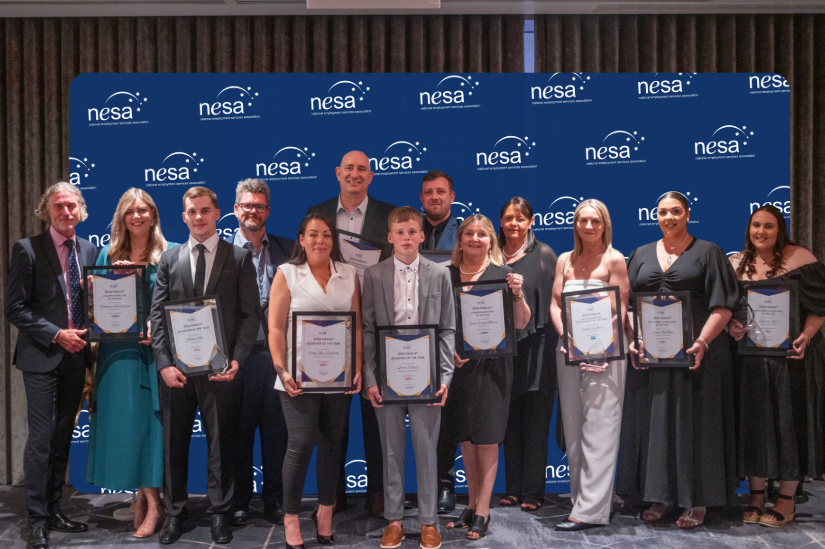
NESA Awards for Excellence 2025

Gala Awards Short Logo GOLD 768x512 - NESA Awards for Excellence 2025

Award for Excellence 2025 Finalists

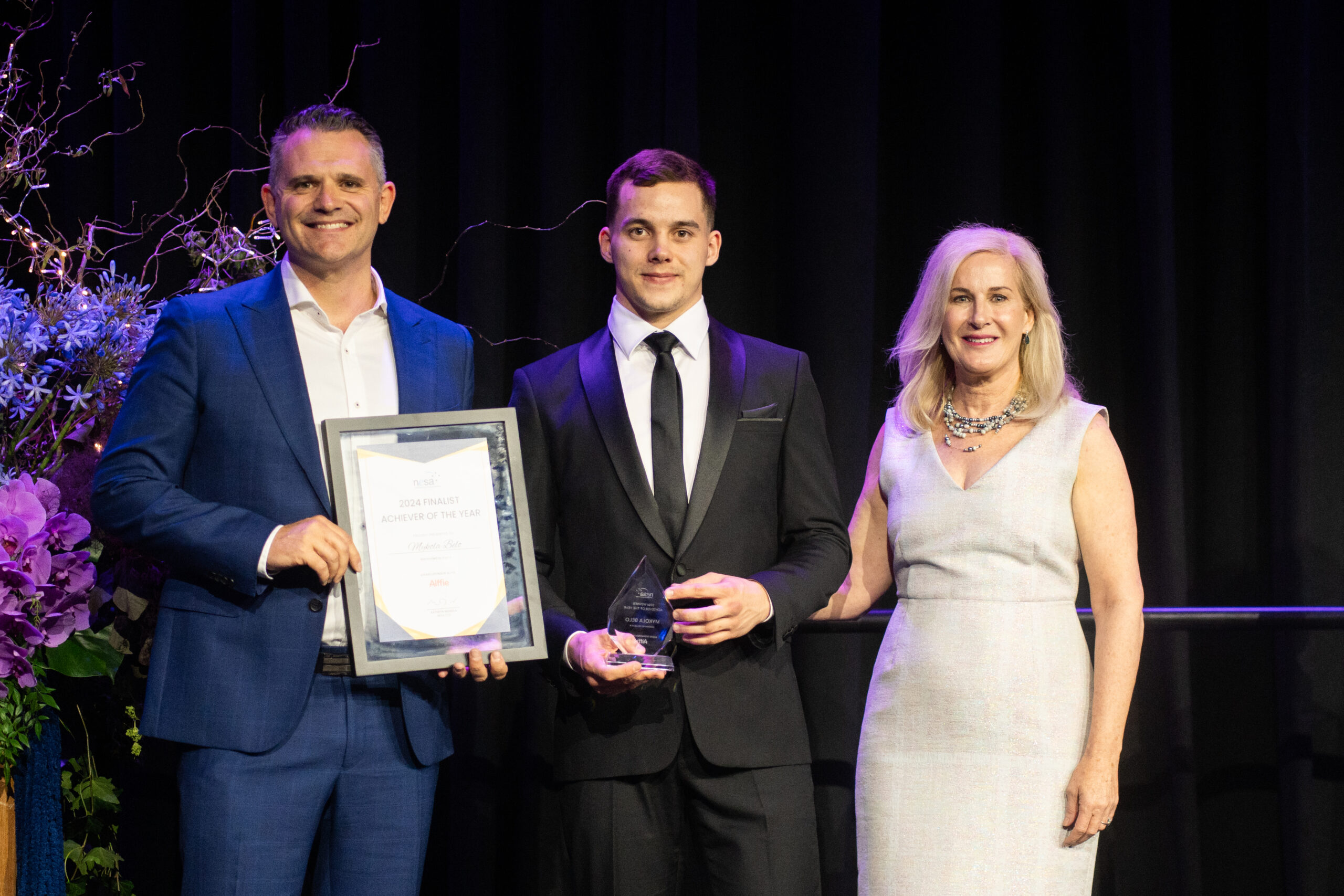
Achiever of the Year

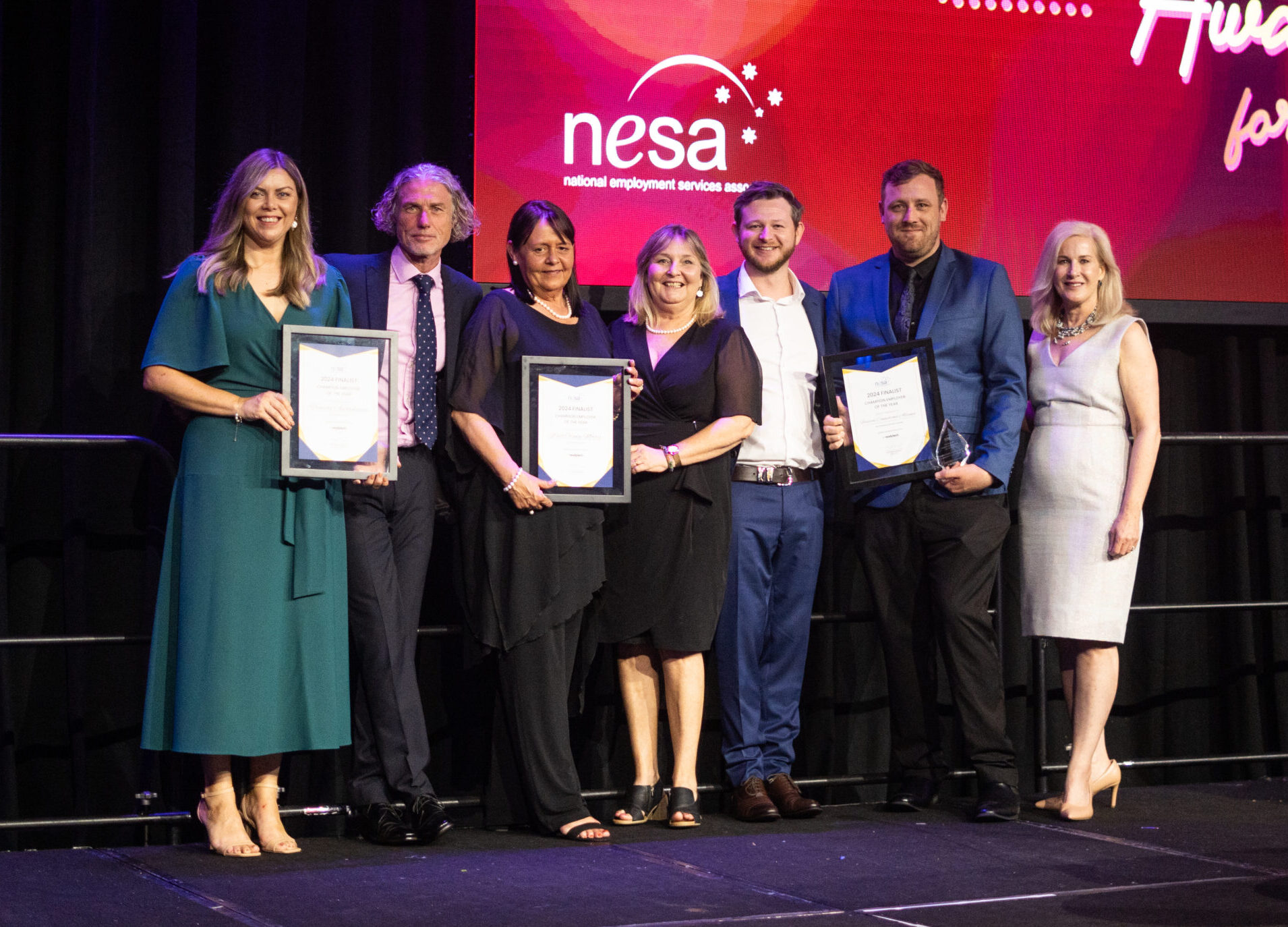
Champion Employer of the Year

Employment Consultant of the Year

Outstanding Service to the Employment Services Sector

National Employment Services Association
Awards for Excellence 2025

Since their inception in 2004, the NESA Awards for Excellence have highlighted the commitment the employment services sector has made to improve individuals’, families’ and our communities’ economic and social well-being through employment inclusion.   

The Awards are an opportunity to showcase employment services providers’ service delivery strategies and innovation excellence, and the very real impacts that result from their efforts.  

THE NESA AWARDS FOR EXCELLENCE:  

  • Foster high standards and provide a benchmark for excellence within the employment services sector 

  • Recognise employers who demonstrate excellence in the recruitment and retention of disadvantaged job seekers in partnership with employment services providers 

  • Encourage employers to adopt and support employment services programs 

  • Honour job seekers who have overcome disadvantage to obtain and sustain employment 

  • Provide role models for other job seekers 

  • Recognise employment services professionals who demonstrate excellence in the conduct of their role 

  • Promote professional development within the employment services sector 

  • Enlighten the wider community about the adversity and disadvantage that are experienced by unemployed people and the effort required to overcome barriers to achieve employment 

  • Reinforce the value of the sector, fostering job seeker, employer and public confidence  


AWARD FINALIST BENEFITS  

  • The right to use NESA’s Awards Seal on collateral for two years 

  • Promotion in national, state and local media 

  • A high quality, framed certificate for all finalists 

  • Greater recognition within the sector and with key external stakeholders 

  • Invitation to the VIP-only Champion’s Reception held immediately prior to the Gala Awards Dinner 

  • One ticket to attend the Gala Awards Dinner for each finalist or finalist representative 

  • The finalists for Employment Consultant and Achiever of the Year are provided with travel** and one night’s accommodation to attend the NESA Awards for Excellence Ceremony

IN ADDITION TO FINALIST BENEFITS,
WINNERS OF EACH AWARD CATEGORY RECEIVE:
 

  • A prestigious Award Trophy

  • An Awards Seal and guidelines for use to promote the win

  • Promotion on NESA’s website and inclusion in the Annual Report

  • Additional PR campaigns


The Employment Consultant who nominated the Achiever of the Year is also provided travel and one night’s accommodation to accompany their nominee to the NESA Awards for Excellence. 

All required airfares are return economy from the finalist’s closest major, regional or metropolitan airport. 

Transport to and from the airport and event venue are at the nominee’s expense. 
Champion Employer of the Year finalists do not receive travel or accommodation to attend the NESA Awards for Excellence. 

CONDITIONS FOR NOMINATIONS

Please Note the following details: 

  • Each nomination must be completed and submitted through the official awards nomination portal.
  • All required fields must be completed, and supporting material should be uploaded as specified for each award.
  • Before starting your nomination, ensure you have reviewed the relevant award category criteria and eligibility requirements.
  • If you wish to nominate more than one individual, organisation or employer, a separate nomination form must be submitted for each unique nominee.
  • Nominations must be submitted by the published closing date.
    Late or incomplete nominations will not be considered.
DSC08867 1024x683 - NESA Awards for Excellence 2025

Award Categories

Media Wall 2200x3000mm 1 scaled - NESA Awards for Excellence 2025

Achiever of the
Year

This Award recognises a former Participant who has overcome extraordinary disadvantage to achieve employment.

Media Wall 2200x3000mm 1 scaled - NESA Awards for Excellence 2025

Champion Employer
of the Year

This Award recognises employers who demonstrate excellence in employment inclusion of disadvantaged participants.

Media Wall 2200x3000mm 1 scaled - NESA Awards for Excellence 2025

Employment Consultant of the Year

This Award recognises employment services professionals who demonstrate excellence in helping disadvantaged Australians to achieve employment inclusion. 

Media Wall 2200x3000mm 1 scaled - NESA Awards for Excellence 2025

Outstanding Service to the Employment Services Sector

This Award recognises individuals within the employment services sector who have made exceptional and enduring contributions to advancing employment inclusion for people experiencing hardship.

Contact Us

Bianca Frankowski 
Head of Sponsorship, Marketing and Industry Events

events@nesa.com.au | biancaf@nesa.com.au

FOLLOW US ON SOCIALS

Pre-Election Leadership Summit

PRE ELECTION LEADERSHIP SUMMIT BANNER 1024x368 - Pre-Election Leadership Summit
Days
Hours
Minutes
Seconds

Don’t miss this opportunity to be part of the conversation

Join sector leaders at the NESA Pre-Election Leadership Summit for exclusive insights from Ministers, Shadow Ministers,
senior officials, and expert commentators on the upcoming federal election,
key policy issues, and potential outcomes shaping employment services, skills and training sectors. 
Secure your spot now!

Nesa Academy Acorn Artwork 2 - Pre-Election Leadership Summit

SANAA PETROS

Nominated by Rashi Gupta – AMES Australia

Sanaa is a single mother who arrived in Australia as a refugee in late 2019 under the humanitarian program. She spent years in Lebanon awaiting her visa after fleeing family violence and political unrest in Iraq.

When she resettled in Melbourne’s northern suburbs with her young son, she faced immediate and overwhelming barriers: limited English, no Australian work history, no income, no qualifications, and deep trauma. Living in a crowded home with extended family, Sanaa was isolated and unsure of how to begin rebuilding her life. She was referred to AMES Australia in 2022 and enrolled in the Workforce Australia program.

At the time, she didn’t feel confident to speak in public and avoided social interaction. But from her first contact appointment, Sanaa displayed quiet determination, consistently attended English classes and mentoring sessions and slowly began opening up.

Over time, Sanaa revealed a passion for nail artistry, which she had practised in both Iraq and Lebanon. When her Employment Mentor (EM) encouraged her to consider turning this skill into a business, she was hesitant, but open. Sanaa didn’t know what an ABN was, how to register a business, or where to begin. Still, she was willing to try. Through coaching and a tailored plan, Sanaa transformed her garage into a professional nail studio and registered and promoted her business. Since then, she has maintained a steady flow of customers, grown her confidence, and started setting longer-term goals.

Sanaa is no longer just surviving; she’s planning for the future and looking to take short courses in lash extensions or waxing to expand her business and income. Sanaa continues to improve her English and is now seen as a role model in her community.

In her own words: ‘I never thought I could work in Australia. I used to feel like I had no place here, but now I feel proud. I’m doing something good for me and my son. Every time a client comes to my home and leaves with a smile, I feel stronger. From the first day I walked into AMES, I had a good feeling — now I know it was right. You really helped me believe in myself.’

Sanaa’s journey from trauma to transformation is a testament to what is possible when someone receives the right support at the right time. She is no longer defined by her past or her barriers. She is a determined, capable woman building a better life for her family, one client at a time.

LUKA BLAKE

(Nominated by Mignon Dsouza – APM) Luka first engaged with APM Deniliquin in February 2023 after leaving a relationship that had deeply impacted her sense of safety and stability and was navigating the emotional and physical challenges that followed, including the pain of being separated from her infant son.

She joined the Workforce Australia program delivered by APM, where she received tailored, trauma-informed support to address the issues affecting her ability to work, including. prolonged unemployment, limited recent work experience, and health issues. Despite these challenges, Luka showed up to every appointment and accessed counselling to process the trauma she had experienced and build her confidence to re-engage with employment.

Over time, Luka became more comfortable at the APM site, dropping in between appointments, and building a strong rapport with the team. Luka completed customer service training with employment training provider Alffie and was clear from the beginning that her long-term goal was to work in healthcare, a field where she could help others and find purpose through meaningful work. As Luka said, ‘From the very beginning of my journey with APM, the ladies helped me build my confidence, skill sets and overall wellbeing and I’m deeply grateful for everything they have done to support me to get to where I am today both personally and with my working life, it means the world.’

Luka’s journey is one of quiet strength, healing, and transformation. She has overcome significant adversity and taken steady, self-directed steps toward employment and independence. Her story reflects the power of compassionate support and her own unwavering commitment to change.

JUSTIN BAYLISS

Nominated by Jess Cullen – Asuria

Justin, a 29-year-old Aboriginal man, has worked hard to transform his life after nearly a decade of unemployment shaped by immense personal hardship and a traumatic childhood. One of his lowest points in life, became the turning point he needed.

Determined to rebuild, Justin reached out to Asuria in early 2024 through the Workforce Australia program knowing he needed routine, a supportive environment, and meaningful work that aligned with his strengths. With guidance from culturally responsive employment consultants, Justin identified the maritime industry as a pathway that could support both his wellbeing and his future. The physical nature of the work, the team-based environment, and the connection to the water suited his needs. To prepare, Justin enrolled in the Certificate I in Maritime Operations (General Purpose Hand), delivered by TAFE NSW in partnership with Tribal Warrior Aboriginal Corporation and supported by Asuria. The program offered hands-on training in a culturally safe environment.

Over an intensive three-week period in May 2024, Justin trained aboard working vessels on Sydney Harbour, gaining skills in emergency response, vessel maintenance, and safety procedures. He also achieved First Aid, RSA, and AMSA-recognised qualifications. This reignited Justin’s confidence, restored his sense of purpose, and showed him he could achieve his long-term goals.

In October 2024, Justin secured employment with Fantasea Cruises (NRMA) as a General-Purpose Host/Deck Hand. Justin’s duties include assisting passengers, ensuring onboard safety, and contributing to daily operations.

He has become a valued team member known for his reliability, commitment, and authentic work ethic. His journey is one of extraordinary resilience. From crisis to consistent employment, Justin’s transformation reflects not only personal strength but also the power of culturally appropriate support and second chances.

Today, Justin stands proud as a capable man, charting a new course for his future. As Justin said, ‘Working only three days a week in my previous job never felt fulfilling, and I struggled to see a positive future … I honestly didn’t think stable employment was possible for someone like me. Taking part in the course gave me a fresh start – it helped me rebuild my confidence and surrounded me with supportive, understanding people.

Being hired by NRMA opened the door to a new chapter. Working on the water has transformed this job into something much more – a rewarding lifestyle that I’m proud to be part of.’

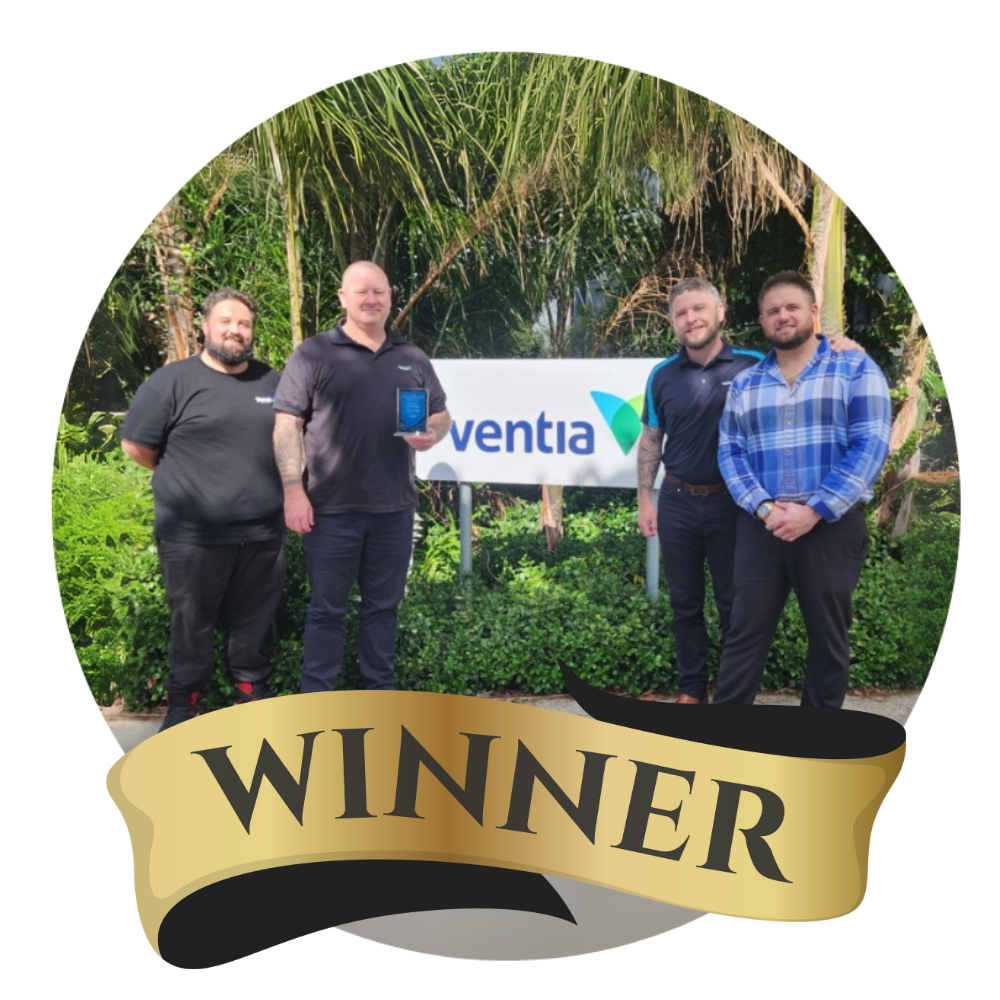
Ventia

Nominated by Emily Markham – Matchworks

Ventia is a leading essential infrastructure service provider in Australia and New Zealand, committed to building stronger, safer and more sustainable communities. Ventia specialises in long-term operation, maintenance and management of critical public and private assets across sectors including defence, social infrastructure, telecommunications and transport.
With a proud heritage, Ventia delivers tailored outcomes for customers and the communities in which they operate. Ventia’s approach to recruitment and workforce development is thoughtful, deliberate and inclusive. Throughout every chapter of growth, it has remained true to a powerful belief: everyone deserves a chance to belong, contribute and thrive. Employment goes beyond income, providing purpose, identity and belonging.

At Ventia, recruitment is not just about filling roles; it’s about restoring confidence, igniting potential and changing lives. Ventia is committed to upholding a culture of Fairness, Inclusion and Respect (FIR) to ensure everyone in its workforce feels safe, valued and empowered to thrive, and builds strategies and partnerships to shape a workforce as diverse as the communities it serves.

Ventia’s commitment to excellence in employment inclusion of disadvantaged participants includes sustained effort to forge and maintain partnership with the employment services sector. Ventia proactively engages with MatchWorks and approximately 45 other employment service providers enabling pathways to meaningful employment for our disadvantaged participants. They support a diverse range of workforce programs and strategies including:
– All-Abilities Community of Practice -; Peer networks meet regularly to ensure perspectives of diverse employees are heard and acted on; and to share knowledge and promote inclusive hiring and workplace support for diverse groups including disability, LGBTQIA+, First Nations, women, parents and carers.
– Training, Employment, Recruitment, Care and Career Advancement (TRECCA) – The TRECCA team cultivate strong partnerships with Elders, local communities and use individual and systemic interventions to break employment barriers and maintain a culturally safe environment that fosters retention and career advancement. In the past 12 months, the TRECCA team initiated 8 programs across NT, SA, VIC creating pathways into employment for 72 First Nations participants.
– Work 180 Endorsed Employer – Empowering women’s opportunities for growth, leadership, and connection. Initiatives include Women of Ventia Empowered Network program.
– Disability Invent Hub: The Hub equips managers with disability awareness training, tools and resources to ensure disability confidence JobAccess Collaboration: Ventia partners with JobAccess to strengthen disability inclusive policy and procedures. Changes to job design, interviews and medical checks have significantly reduced barriers with one contract experiencing a 400% rise in disability employment.
– People with disability are employed in diverse roles and career pathways e.g. partnership with Australian Spatial Analytics data and analytics for neurodiverse individuals.
– Young professionals Graduate Program opens doors through two-year rotations, mentoring, and learning opportunities, ensuring the next generation of talent is nurtured with purpose. All employees benefit from training/career development programs, training, wellbeing initiatives, and support services such as EAP and health discounts, with 30% of staff on a long-term contract achieving employment retention of 10+ years.

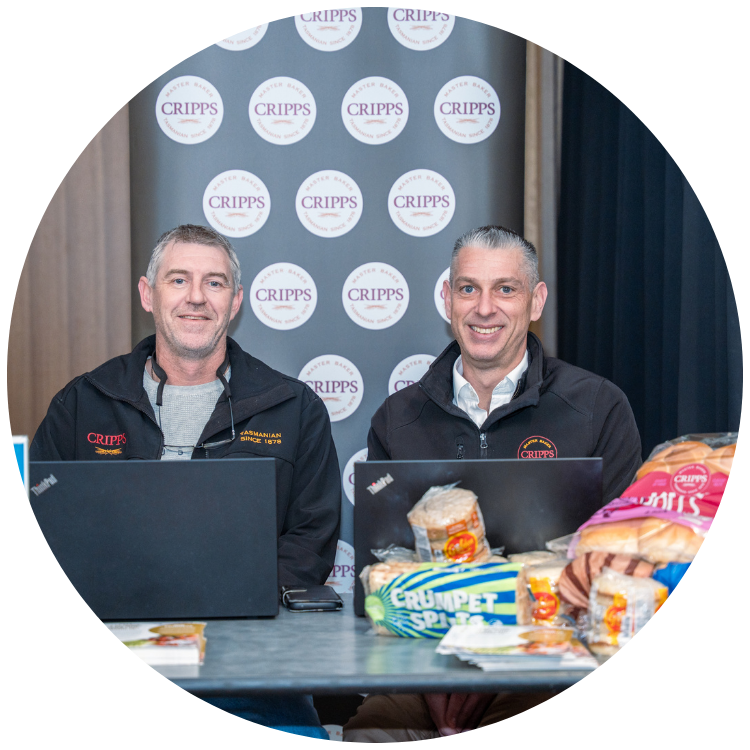
Cripps Nubake Pty Ltd

Nominated by Jess Cullen – Asuria

Cripps Nubake is one of Tasmania’s oldest and most iconic businesses, with a proud legacy dating back to 1878 when William Cripps established the state’s first commercial bakery. From its modest beginnings, Cripps has grown to become a major regional employer and trusted household brand, supplying fresh bread, rolls, wraps, and baked goods to communities across Tasmania.

Today, Cripps employs over 200 people across its sites in Glenorchy, Launceston, and Ulverstone. Their diverse workforce includes approximately 50% full-time employees, 30% part-time, and 20% casual staff. This balanced structure supports flexibility, workforce retention, and operational resilience, while offering varied employment options to suit the needs of workers from all backgrounds, including those entering or re-entering the labour market. Their commitment to inclusive recruitment was also recognised at the 2024 Asuria Employer Awards, where Cripps won the Diversity and Inclusion Award.

Following initial conversations, Asuria worked with Cripps’ CEO and senior leadership to better understand the company’s recruitment needs, workplace culture, and the nature of factory-based work. These insights informed the co-design of a bespoke recruitment and onboarding program aimed at preparing job seekers, particularly those facing barriers to employment, for long-term success in the Cripps workplace. Since February 2023, this program has formed the backbone of Cripps’ recruitment strategy. Run on a monthly cycle, the program includes pre-placement briefings, a factory walkthrough to ensure jobseekers are comfortable with the environment, and targeted coaching to build workplace readiness. Importantly, Asuria and Cripps meet fortnightly to review participant progress and adapt processes where needed.

This continuous feedback loop has fostered a highly responsive, inclusive, and outcomes-focused recruitment model. Cripps has consistently demonstrated a willingness to invest in the development of its people. Whether offering extra on-the-job training or adjusting workflows to better accommodate new staff, Cripps has gone above and beyond to ensure participants are set up for long-term success. Their commitment has translated into meaningful employment outcomes and high retention rates, especially for jobseekers who may not have otherwise accessed this industry.

Beyond the numbers, Cripps embodies what it means to be a community-led, socially responsible employer. Their openness to co-designing a tailored approach reflects not only a desire to meet their own workforce needs, but a genuine commitment to making a difference in people’s lives. Through their actions, Cripps has not only improved internal recruitment processes but strengthened the broader labour market.

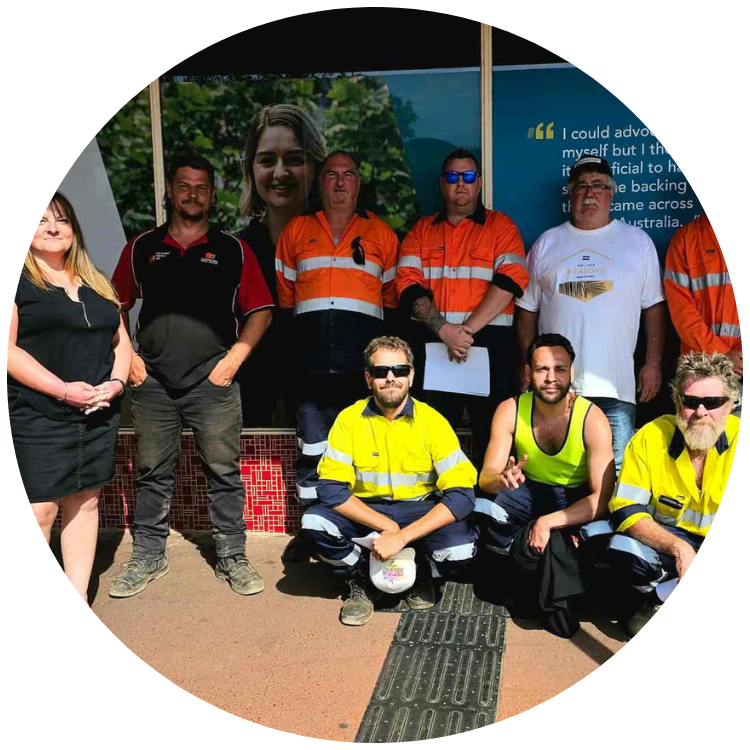
Carrington's Traffic Services

Nominated by Sarina Vanderplas – atWork Australia

Carrington’s Traffic Services has evolved from a small traffic management company, which commenced in 1993, into one of the largest providers of traffic management services within Western Australia. Carrington’s Head Office is in Midvale, Perth and operates across the entire region of Western Australia.

Carrington’s supports atWork Australia’s clients living in the more regional and remote areas of the Great Southern Wheatbelt to find meaningful and sustainable opportunities. This region has very limited work availability and many people living in hardship, so these opportunities are more meaningful than most.

Carrington’s hire atWork Australia’s clients for part time roles, to give as many opportunities for stability as possible. Normally roles within traffic control are casual due to the season type of work. The type of work on offer from Carrington’s ranges from administration to traffic management roles which coincide with the most in demand roles their clients are looking for. Clients are also looking for flexible, working outdoors especially for First Nations clients, and receiving a wage that can support them towards financial independence. Due to the rural and remote locations of clients, with many not having the financial means to travel, as they cannot afford fuel without employment. Jason and the team from Carrington’s Traffic Services make the commitment to drive to the locations where clients reside. Sometimes more than two hours each way.

Overall Carrington’s Traffic Service has a workforce of over 200 across Western Australia. “Throughout the last few years, I have gained many employees, helping my staffing requirements during our busy periods,” said Jason. “The atWork Australia team have been more than helpful, and great to work with. Many of the clients have been hard-working, willing to learn and go above and beyond what is required of them.”

Mark Collis

Nominated by Jess Cullen – Asuria

Asuria is a leading public service provider, empowering individuals, communities, and nations through a range of frontline services. These include employment support, training, education, justice, business start-up services, and health and wellbeing programs. Each year, Asuria helps thousands of people, many facing significant barriers, secure sustainable employment.

The company employs over 1,100 people globally. Mark has been a valued member of Asuria’s Albury team since July 2022, bringing a deep commitment to community, culture, and the employment services sector. He commenced with Asuria at the beginning of the Workforce Australia contract in the role of Indigenous Mentor, based at their Albury site in the Goulburn Murray Employment Region. Albury/Wodonga, with a population of just over 58,000 and an unemployment rate of 4.8%. The Albury site is the largest in the region and supports both metropolitan and rural job seekers through a multidisciplinary team of Workforce Australia and Disability Employment Services Mentors, as well as a Wellbeing Specialist and Employer Engagement Consultant.

During the qualifying period, Mark has supported over 120 Aboriginal and Torres Strait Islander participants across the Albury/Wodonga region, providing culturally safe mentoring, employment preparation, and strong community connection. He takes proactive initiative beyond his caseload, supporting First Nations participants across programs and playing a key leadership role in coordinating the culturally tailored Skills for Life program in partnership with Elders, RTOs, and local providers.

Mark actively contributes to a positive team culture, mentoring colleagues, guiding new staff, and sharing tools to enhance cultural capability. He regularly attends local First Nations events and offers support through gestures like baking morning tea for the Women’s Centre, demonstrating his deep respect and care for the community he serves.

Fia Leuluaialii

Nominated by Henry Whan – CoAct Connect + BUSY At Work

Fia leads the CoAct Connect + BUSY At Work site in Mount Isa, a remote mining town in north-west Queensland with around 18,945 residents. The region experiences high unemployment (7.4%), reliance on income support, housing stress, and vulnerability to natural disasters. Despite the presence of mining, many locals face barriers to stable work and limited access to services. As Site Leader, Fia drives performance outcomes, mentors her team of three, and builds strong employer and community relationships. She supports management by contributing to regional strategies, piloting initiatives, and filling in for senior leaders when required. Her work ensures services align with organisational goals while meeting local needs.

Fia joined BUSY At Work in April 2024 as a Mentor. Her strong results and leadership led to a promotion in August 2024 to Site Leader, where she has now led the site for over a year. Beyond her own site, she provides leadership support across the wider Townsville region, sharing expertise and supporting consistency in service delivery.

Committed to her own growth, Fia has completed leadership development training, cultural awareness courses, and employer engagement workshops. She also regularly attends industry forums to stay current with trends. These activities enhance her ability to mentor staff and influence organisational strategy. Her informal leadership style fosters collaboration, resilience, and innovation.

Fia actively works with local Indigenous organisations and community groups to deliver culturally responsive services. This ensures both employers and job seekers receive support tailored to their needs. Through mentoring, team development, and community engagement, she has cultivated a high-performing, inclusive workplace culture. Her dedication reflects the values of BUSY At Work and CoAct, contributing to the success of employment services across Mount Isa and beyond.

Carmen Miller

Nominated by Angela Johnson – CoAct Connect + Five Bridges

Carmen is an exceptional Mentor with CoAct Connect + Five Bridges, delivering services under the Workforce Australia Indigenous Specialist Stream. She is based in Woorabinda, a remote Aboriginal community 170 km south-west of Rockhampton, Queensland. Woorabinda, with a population of 1,600, faces significant social and economic challenges, including a 22.3% unemployment rate (ABS, 2021 Census).

Carmen independently services Woorabinda, providing end-to-end support from initial commencement through to post-placement. This consistency has earned trust from the community, who value her ongoing presence. She also provides support from the Rockhampton office as part of the nine-member Fitzroy team. In her hybrid role, she acts as Mentor, Recruitment Specialist, and In-Work Support Specialist, managing 51 customers facing complex barriers to employment.

Carmen demonstrates commitment to professional development and regional collaboration. She mentors peers, shares resources, and supports management with problem-solving and performance improvement. She also participates in local events, including NAIDOC Week celebrations, further embedding herself in the community. Her background in beauty management honed her interpersonal and confidence-building skills, which she now uses to empower customers.

Carmen’s proactive, person-centred approach, and strong cultural awareness enable her to deliver tailored, community-driven support. Her Net Promoter Score (NPS) of 41.2 reflects consistently positive customer feedback. Carmen’s reliability, leadership, and impact make her a strong nominee for Employment Consultant of the Year.

Ron Maxwell

Nominated by Stephanie Prosser – VERTO

Ron is CEO of VERTO, a not-for-profit organisation delivering employment and community services across some of Australia’s most disadvantaged regions. VERTO Group supports over 17,000 individuals annually and employs more than 300 staff, working across predominantly regional and remote areas of New South Wales, Victoria, South Australia, and Queensland.

Since taking the role in 2014, he has led the VERTO Group through significant growth and impact, while staying focused on its mission to support inclusive, community-led transformation. Under Ron’s leadership, VERTO delivers a broad suite of employment programs including Workforce Australia, Disability Employment Services, Skills for Education and Employment, Transition to Work, Parent Pathways, Self-Employment Assistance, as well as a range of workforce mentoring, training, and community projects. In regional and remote communities, entrenched barriers to employment persist, and access to meaningful work is disparate.

For more than two decades, Ron has met that challenge with quiet conviction: expanding opportunity for those often overlooked with strategy, strong partnerships, and gutsy resolve. Ron’s commitment to employment inclusion is long-standing, measured, and embedded in community.

Prior to VERTO, Ron served as CEO of Western College in Dubbo, where he established one of the first Australian Technical Colleges in Central West NSW. Ron has also contributed nationally to setting the direction of employment services. He is a former Director of NESA, Deputy Chair of ITECA and member of the NSW Skills Board Reference Group. Ron’s leadership consistently bridges the gap between policy and practice. His ability to connect strategic vision with local delivery has helped to reshape what’s possible—for people, for places, and for the sector.

Christine Shewry

Nominated by Emily Roy – Joblink Plus

Christine’s career in recruitment and employment services spans over 40 years and multiple countries, including both for profit and for purpose organisations. For the last 12 years Christine has been CEO at Joblink Plus, a for-purpose organisation delivering services in regional NSW.

Under Christine’s leadership, Joblink Plus currently delivers specialist licenses for Indigenous Australians, Ex-Offenders, People with Disability and Youth through Workforce Australia, Transition to Work and Inclusive Employment Australia contracts. With 380 staff serving around 18,000 clients in 82 regional communities, Joblink Plus under Christine’s leadership has gone from strength to strength. Joblink’s purpose is to believe in and support all people, connecting them to the dignity and fulfillment made possible through education and meaningful work.

Christine lives and breathes this purpose having dedicated the years before her retirement to ensuring that Joblink Plus is a positive contributor to each person it serves.

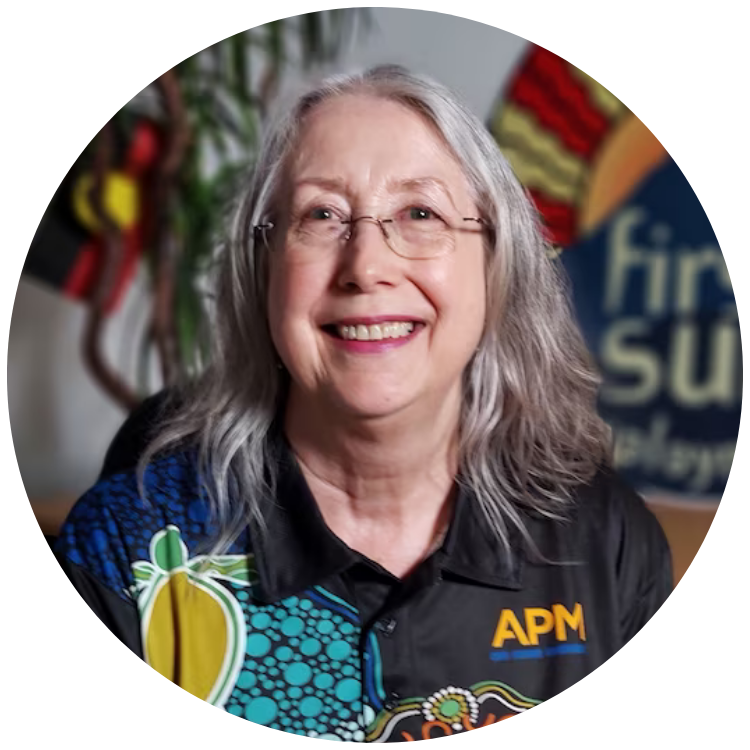
Judi McConville

Nominated by Mignon Dsouza – APM

Judi McConville is a deeply respected leader in the Australian employment services sector, with nearly four decades of unwavering commitment to advancing employment inclusion. Since the 1980s, Judi has worked across Queensland, regional New South Wales, and nationally, consistently advocating for First Nations people and other marginalised cohorts.

Her career reflects a rare blend of strategic leadership, grassroots engagement, and a passion for social justice. Currently, Judi serves as the National Diversity & Inclusion Manager at APM and Chief Executive Officer of First Sun Employment, a First Nations-owned and operated provider—the first of its kind in the region. First Sun Employment delivers culturally responsive employment services in partnership with APM, supporting job seekers across the Southern Gold Coast and Tweed regions. Since joining APM in 2016 as Regional Manager, she has held pivotal roles including Indigenous Performance Manager, where she led transformative improvements in servicing and outcomes for First Nations participants.

Her work has directly impacted thousands of job seekers and hundreds of staff, while influencing sector-wide practices in cultural safety and inclusive service design. Judi’s legacy is one of capacity-building and empowerment. She has mentored countless professionals, built enduring partnerships with Indigenous organisations, and championed co-designed programs that reflect the voices of the communities they serve. Her reach spans urban, regional, and remote areas, and her influence continues to grow, making her a standout nominee for Outstanding Service to the Employment Services Sector.

Darren Otten

Nominated by Jess Cullen – Asuria

For more than three decades, Darren Otten has been a driving force in transforming Australia’s employment services sector—championing inclusion, innovation, and lasting outcomes for job seekers facing disadvantage. As Executive Director of Employer Services at Asuria, he combines visionary leadership with deep operational insight to deliver meaningful change at all levels. Darren has shaped service delivery models and employer engagement strategies across Employment Plus, MAX Employment, and Asuria—and co-founded two successful Registered Training Organisations. Darren created and implemented the first youth job clubs to provide structured, group-based job readiness and support for young people. The format and structure he developed has been widely adopted and continues to guide how employment services engage youth today. His work spans metropolitan, regional, and remote communities with diverse socio-economic needs. He consistently adapts delivery models to local contexts, ensuring programs are both inclusive and impactful.

Over his career, Darren has led teams of over 300 staff, managed over 250 national employer programs, collectively supporting more than 23,000 jobseekers, including First Nations peoples, individuals with disability, and those facing long-term unemployment. His leadership has empowered these teams to deliver high-impact employment services across metropolitan, regional and remote communities. Darren established a centralised team to ensure consistency in employer servicing and introduced Prospert Training—a national strategic employer engagement framework that continues to elevate best practice.